What we do
According to the American Occupational Therapy Association (AOTA), occupational therapy is defined as:
“The therapeutic use of everyday life occupations with persons, groups, or populations for the purpose of enhancing or enabling participation in roles, habits, and routines in home, school, workplace, community, and other settings.”
Occupational therapy helps individuals of all ages develop, recover, or maintain the skills needed for meaningful daily activities (occupations). It is a client-centered practice that promotes health, well-being, and participation in life through engagement in everyday tasks.
Fine Motor
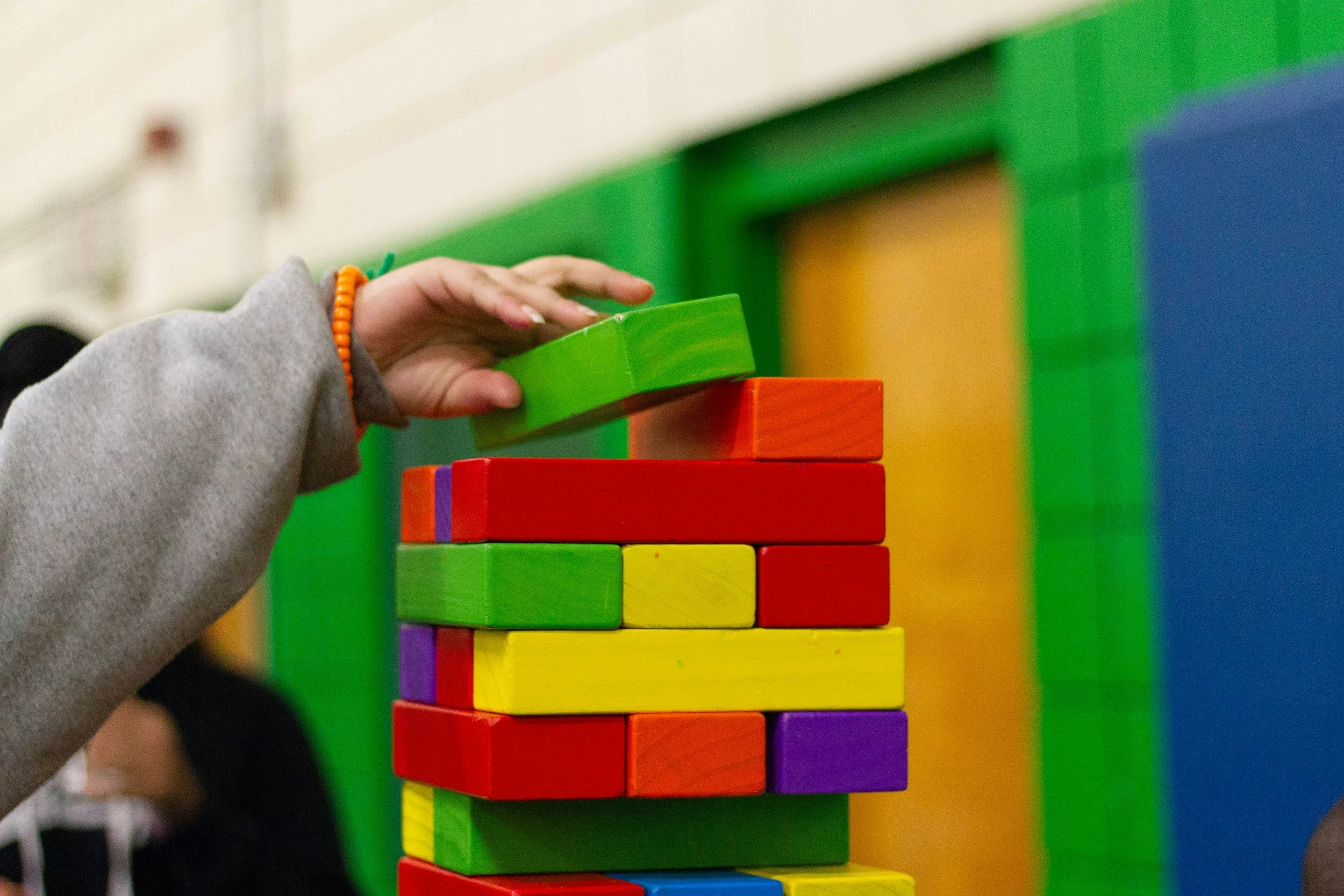
This involves the use of small hand/finger muscles to perform precise, coordinated movements. It is essential for helping children carry out daily tasks like writing, dressing, and using utensils. We can support fine motor skills to improve a child’s independence and participation in school, play, and self-care activities.
Emotional Regulation
This refers to a child’s ability to manage their emotions, actions, and responses in a way that is appropriate for different situations. It involves skills like impulse control, attention, emotional regulation, and adapting to changes or challenges. We can help children develop these skills so they can participate successfully in daily routines, social interactions, and learning environments.

According to the American Occupational Therapy Association (AOTA):
ADLs are basic self-care tasks essential for everyday functioning, such as bathing, dressing, eating, toileting, and grooming.
IADLs are more complex tasks that support independent living, such as managing money, preparing meals, doing housework, using transportation, and taking care of others.
In pediatric occupational therapy, ADLs & IADLs are adapted to be age-appropriate and focus on helping children gain independence in self-care tasks as they grow and develop..
ADLs/IADLs

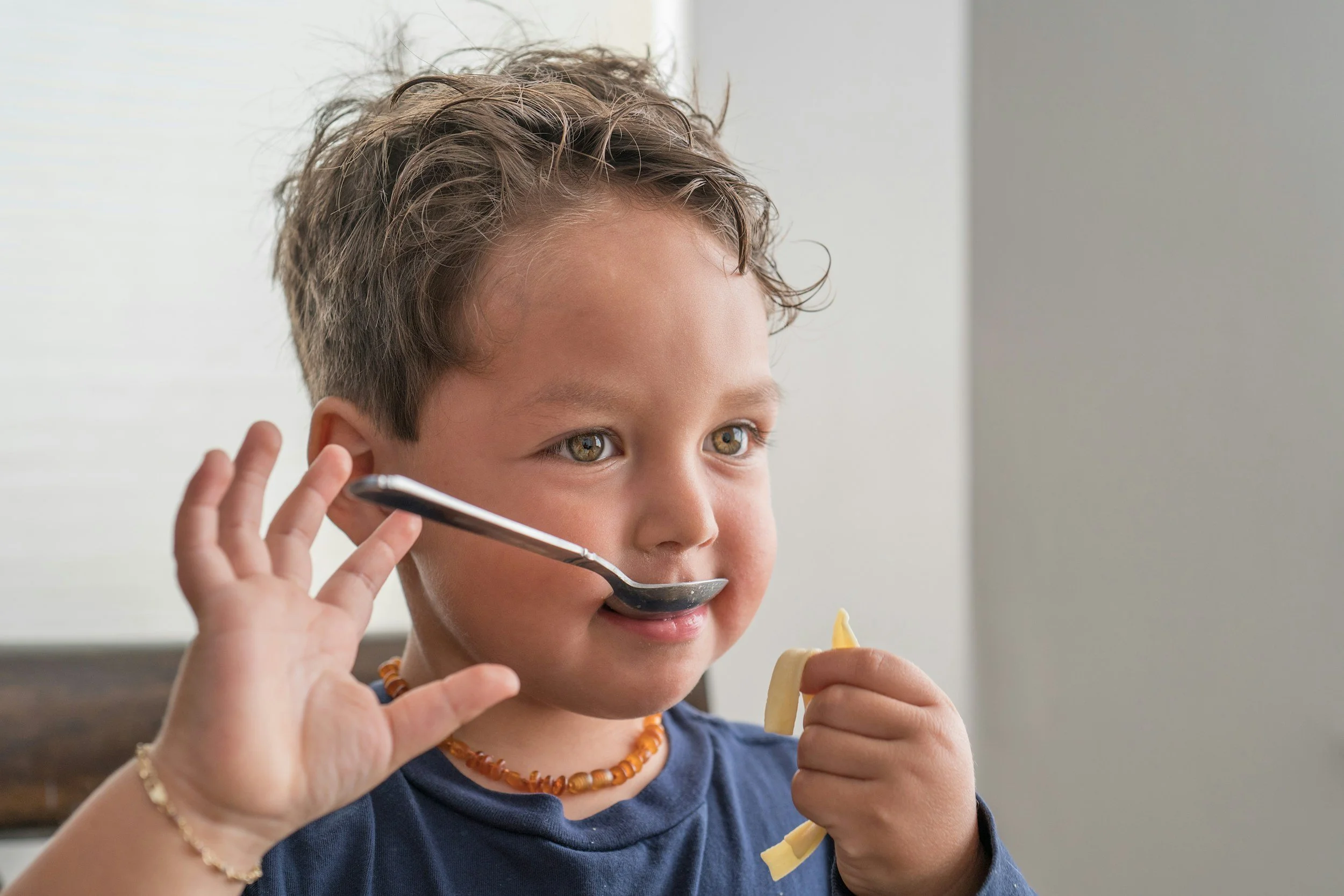
We focus on helping children develop the skills needed to eat safely and/or effectively. This includes improving oral motor abilities, sensory tolerance to different food textures and tastes, and mealtime behaviors. We work with children who have difficulty chewing, self-feeding, or accepting a variety of foods to support healthy nutrition and independence during meals.
Feeding Therapy
Sensory Integration
Sensory integration is how the brain processes information from the senses to help children respond appropriately to their environment. In Occupational therapy, we can support a child’s ability to focus, move, and behave effectively. We address sensory challenges to improve daily functioning in activities like play, learning, and self-care.